Drainage emergencies do not wait for a convenient time. A sewage backup at midnight or a flooded kitchen on a bank holiday can strike at any hour. The steps you take in the first few minutes matter, because they can cut the damage and the cost of putting things right.
How to Tell It Is a Genuine Emergency
Not every slow drain needs an emergency callout. However, the following situations need professional attention straight away.
- Sewage or foul water rising through internal drains into your home
- Significant water flooding from external manholes, gullies, or inspection chambers
- Multiple fixtures throughout the house blocked or draining backwards simultaneously
- A strong, persistent sewage odour inside living areas
- Visible sewage pooling in your garden, on your drive, or on a shared path
Homes on low-lying ground or near a river carry an extra risk. When river levels rise, surface water drains can become overwhelmed. Because of this, flooding can make any blockage in your own drains worse.
Steps to Take Immediately
Stop All Water Use
As soon as you see the drain backing up, stop adding water to it. Every extra litre forces wastewater further into your home, so follow these steps.
- Do not flush any toilet
- Do not run taps, showers, or baths
- Switch off the washing machine and dishwasher if they are mid-cycle
- If possible, turn off any automatic appliances that discharge water, such as water softeners
Protect Your Belongings
If water or sewage is coming into your home, protect what you can. Act as quickly as is safe, since soft items soak up contaminated water fast.
- Move furniture, electronics, and irreplaceable items away from the affected area
- Lift rugs and carpets off the floor
- Roll up curtains and soft furnishings that could absorb contaminated water
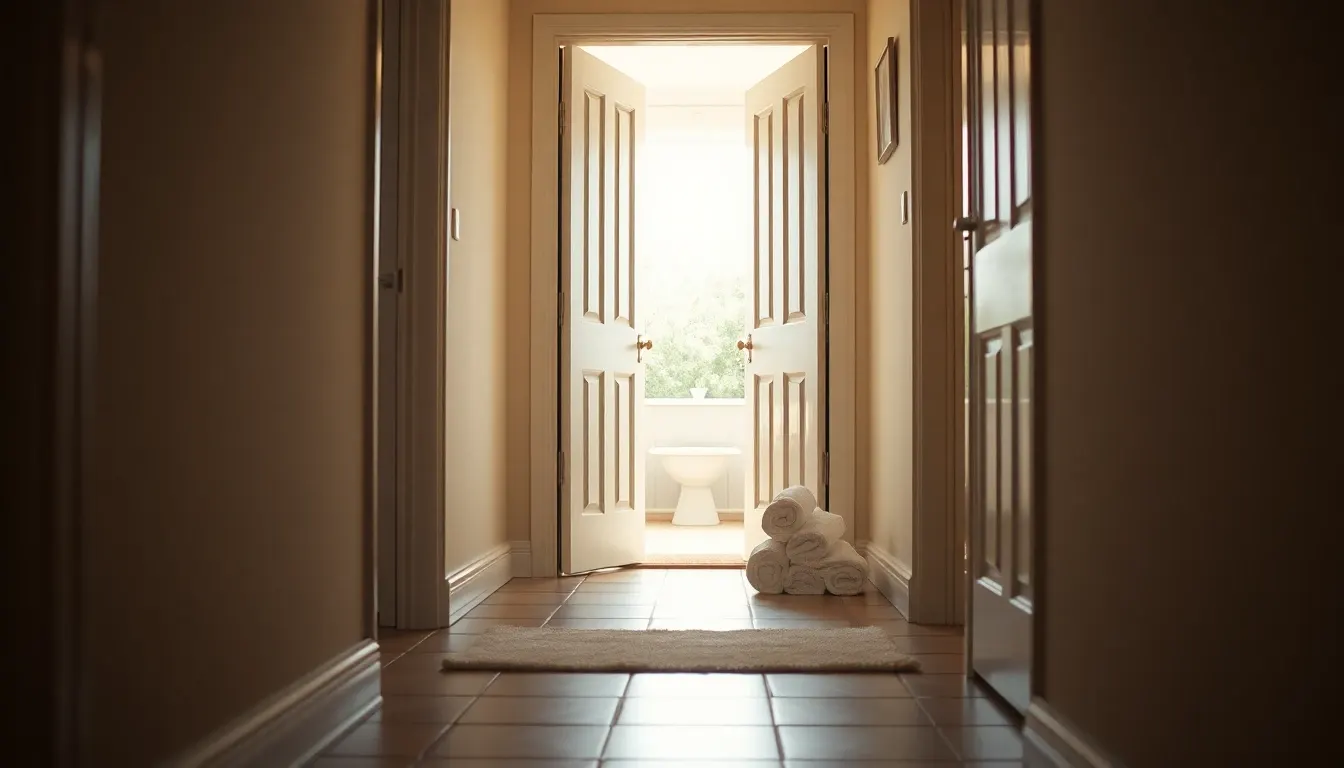
- Place towels or plastic sheeting along doorways to contain the spread
- Open windows to ventilate, especially where you can smell sewage, because the gases can be harmful in closed spaces
Locate and Turn Off Your Stopcock
If clean water is adding to the flooding, find your stopcock and turn off the mains supply. You can usually find it under the kitchen sink or near the front door. This will not stop the drain backing up. However, it stops fresh water making things worse.
Stay Clear of Contaminated Water
Sewage carries bacteria and other germs that can make you ill. For this reason, keep children and pets well away from the area. Never touch electrical items that stand in water.
If you must enter a flooded room, protect yourself first. The list below shows how.
- Wear rubber boots and waterproof gloves
- Avoid touching your face
- Wash your hands and any exposed skin thoroughly with antibacterial soap afterwards
- Do not eat or drink in the contaminated area
Record Everything for Insurance
Once you have limited the damage, record what happened. Insurers expect evidence to support a claim, so keep a clear record.
- Take photographs and video of every affected area, including close-ups of water levels and damage to fixtures, flooring, and belongings
- Note the date, time, and sequence of events
- Keep a written list of damaged items with approximate values
- Retain any receipts for emergency cleaning supplies or temporary accommodation
The more detail you gather now, the smoother the claim will go. Check your policy to see what it covers.
Common Mistakes to Avoid
Do Not Pour Chemical Drain Cleaner into a Backed-Up System
Chemical products suit minor, partial blockages, not emergencies. In a fully blocked system, they sit in the stagnant water and create a corrosive hazard. They can also react badly with sewage, and they still will not clear a major obstruction.
Do Not Attempt to Open or Enter a Main Sewer
The public sewer beneath your street is the water company's responsibility. Trying to open it yourself is dangerous and may break the rules. If the blockage turns out to be in the public sewer, the water company can deal with it once you tell them.
Do Not Wait and Hope It Resolves
Drain blockages do not fix themselves. Delay allows more water damage and raises the risk of mould. As a result, a simple clearance can grow into a major repair.
While You Wait for the Engineer
Use this time to get things ready. These steps help us find the fault faster, because they give the engineer a head start.
- Clear access to external manholes and inspection chambers; move bins, garden furniture, or vehicles if they are in the way
- Note exactly where water is coming up or backing in, which fixtures are affected, and whether the problem appeared suddenly or has been building
- Ask your neighbours whether they have the same problem; shared problems point to a blockage in the public sewer rather than your private drainage
Contacting Chester Plumber Near Me
When you request a quote online, we will ask for the details below. They help us send the right equipment, because each fault needs a different approach.
- Your full address and postcode
- A brief description of the symptoms
- Roughly when the problem started
- Whether neighbouring properties seem affected
- A contact number for the attending engineer
We aim to reach you promptly and put urgent jobs first. This covers emergency callouts across Chester and the surrounding area. Our emergency drain services team works twenty-four hours a day, seven days a week, every day of the year.
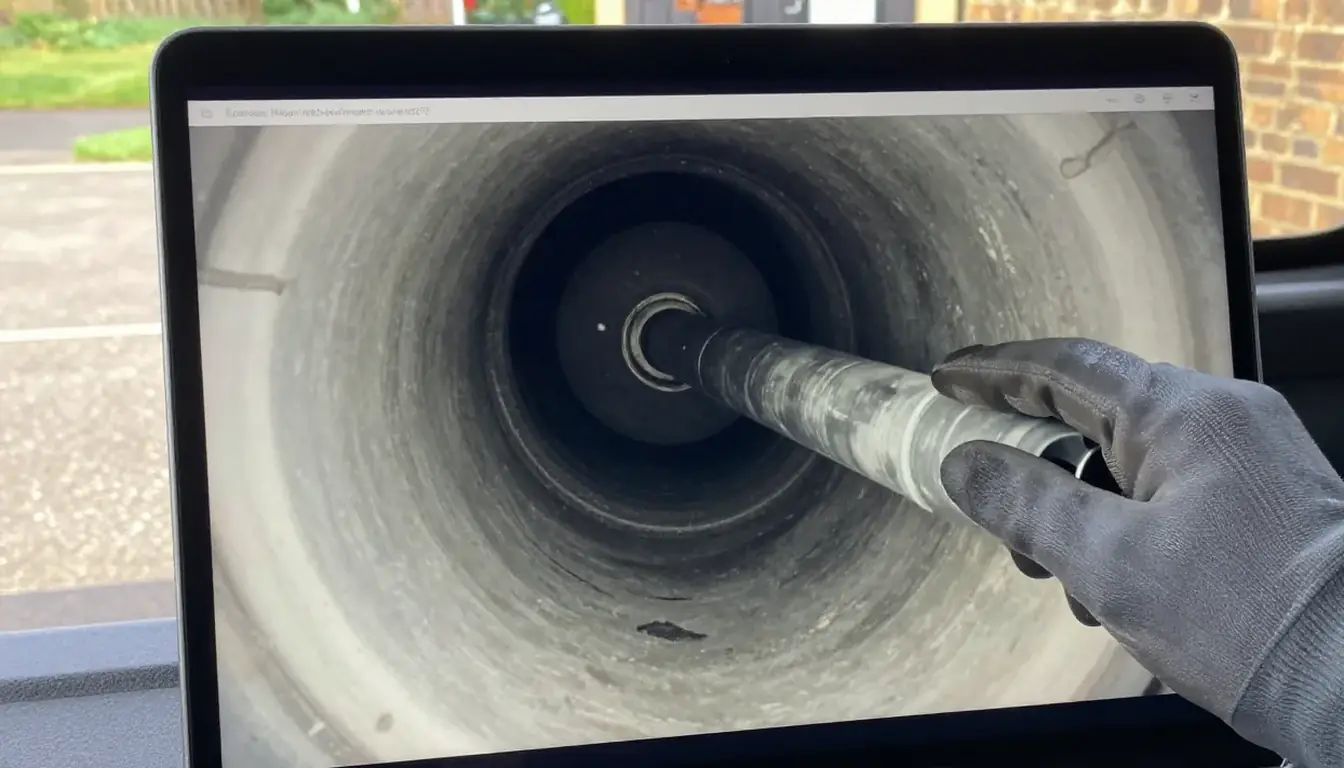
Whether you face a flooding emergency or a sewage backup, our engineers carry professional CCTV cameras and high-pressure jetting equipment. Where possible, we diagnose and fix the fault in a single visit.
Request urgent help online if you are dealing with a drain emergency. Tell us what is happening, and we will treat the call as urgent, since delay makes the damage worse.