When a drain is cracked or damaged, there are two main ways to fix it. One is to line the pipe from the inside. The other is to dig down and replace the broken section. Neither is better in every case, because the right choice depends on the fault, the pipe and where it runs.
This guide explains how each method works. Specifically, it shows what a survey tells you, so that you can choose with confidence.
What Pipe Relining Is
Relining creates a new pipe inside the old one. A flexible liner soaked in resin is pulled into the damaged pipe. It is then pressed against the wall and left to harden. The result is a smooth, jointless pipe within the old pipe. However, the liner is only as good as the host pipe, so the old pipe must be suitable.
Engineers reach the drain through existing access points, such as a manhole. Because of this, little or no digging is needed. Our page on pipe relining explains where the method fits within our wider repair work.
What Excavation Is
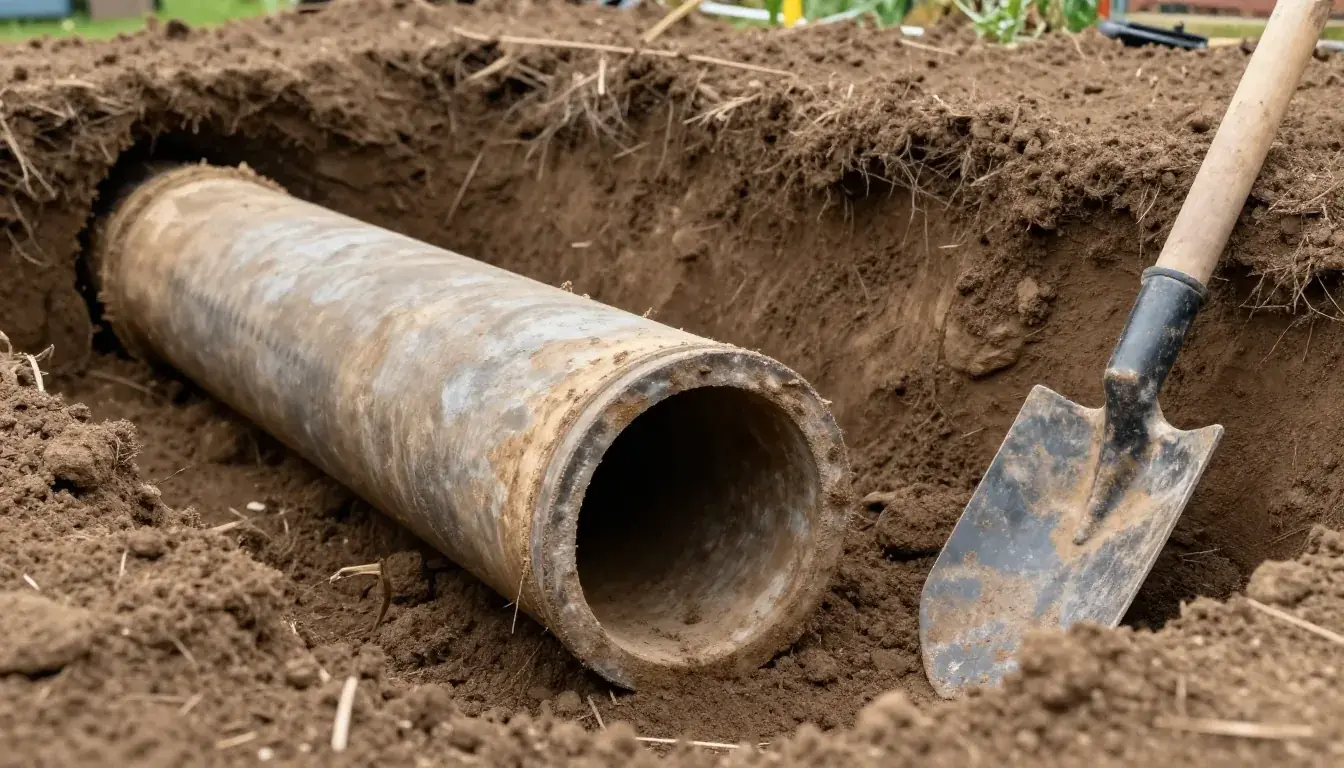
Excavation means digging down to the damaged pipe. The engineer exposes the pipe, removes the broken section and fits a new one. Then the trench is filled and the surface is put back. The job is more invasive, yet it gives full access to the fault.
It is the traditional method, and it is still the right one for many faults. For example, a pipe that has collapsed or shifted badly cannot take a liner. Digging also lets the engineer see and fix the ground around the pipe. We cover this work on our drain excavation page.
When Relining Tends to Suit
Relining works well for faults that leave the pipe broadly in line. For example, these include:
- Cracks and hairline splits
- Leaking or open joints
- Roots entering at joints
- Rough, scaled pipe walls
It suits pipes under driveways, patios, conservatories or gardens that you do not want to dig up. In those cases, the saving in mess and repair work can be large, because there is less ground to dig up and make good. Relining also seals joints, which helps keep roots out.
When Excavation Tends to Suit
Excavation suits faults that a liner cannot fix. For instance, a collapsed pipe is one. A pipe that has dropped, so that water pools in a dip, is another. A badly misaligned joint may also need digging.
Digging is simpler when the damage is shallow and in a clear area, such as a lawn. It also makes sense where a short section needs replacing. In that case, a small dig can fix the problem cleanly.
Why a Survey Comes First
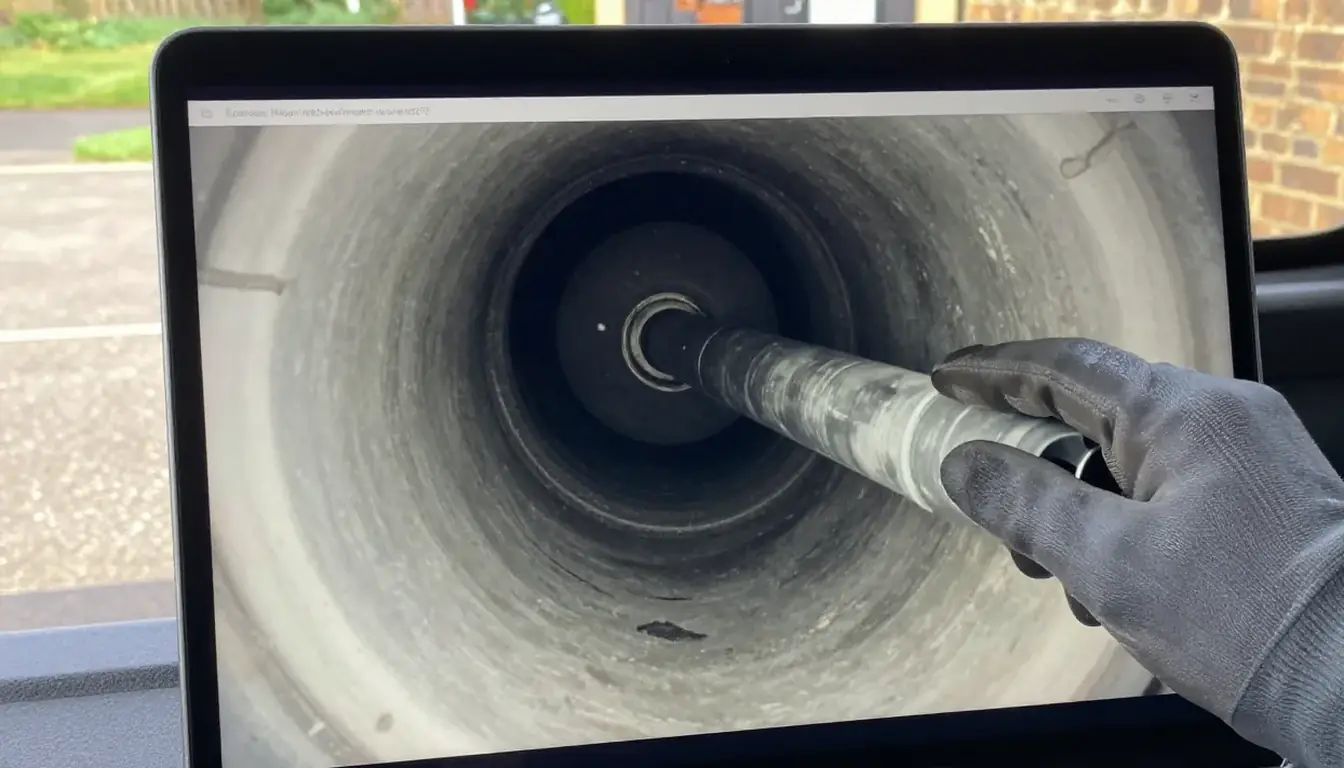
Neither choice is safe without a look inside the pipe, because the fault may differ from what it seems. A CCTV drain survey shows the type of fault, its position and the condition of the pipe on either side. From that footage, the engineer can say whether lining is possible.
Without a survey, the choice is a guess. As a result, you risk paying for the wrong repair. For more on what the camera reveals, read our guide on what a CCTV drain survey shows. A survey also gives you a record to compare quotes.
Comparing the Two Methods
Think about these points when you weigh up the options:
- **Disruption.** Relining usually needs less digging. Excavation opens the ground.
- **Type of fault.** Relining suits cracks and joints. Excavation suits collapse and dips.
- **Location.** Pipes under buildings or hard surfaces favour relining.
- **Access.** Relining needs a way in at each end of the section.
- **Repair scope.** Excavation can fix the pipe and the ground around it.
Ask each firm to explain why it chose its method. A good answer refers to your survey footage. However, if the answer is only a preference, ask for more detail.
Check Whose Pipe It Is
Before you pay for a repair, find out who owns the pipe, since a fault on a pipe beyond your boundary, or on a shared pipe, may be the water company's job. Our guide on who is responsible for drains in Chester explains the boundary rules.
The survey helps here too. It shows where the fault is. Therefore, you can tell which side of the boundary it sits on. That saves you paying for something that is not yours.
Is a Repair Needed at All?
Sometimes a drain only needs cleaning. For example, fat, silt and scale can make a sound pipe run slowly. In that case, drain jetting may be all you need. Our guide to drain jetting versus drain rods explains when each method is right.
A repair only makes sense when the pipe itself is damaged. For this reason, we survey first and repair second. If you see repeat blockages, our guide to the signs of a blocked drain shows what else to look for.
Talk to Us About Your Drain
We look at your pipe, explain the fault and set out the options. You then choose how to go ahead. Our drain repairs team covers homes and businesses in the Chester area.
If you think a drain is damaged, send us the details through our contact page. A short description and a photo of the manhole or gully are enough to start.